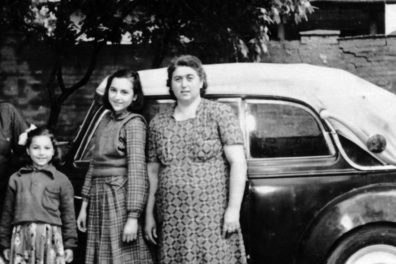
Yugoslavia: From the Beginning to the End
01.12.2012-17.03.2013
May 25 Muesum - The upper lobby
May 25 Museum - Exhibition Space (Left)
May 25 Museum - Exhibition Space (Right)
Throughout the most of the 20th century, in the Balkan peninsula, there was a country inspired by the desire to form a union of South Slavs. Yugoslavia, which was formed and disappeared several times, changed its name, borders, political and social systems, was marked by an exceptional diversity of ethnic groups, religions, cultures and customs existing in a comparatively small geographical area. Praised and disputed, built and undermined, it vanished from the geographical and political map of the world, in the late 20th century, but it legacy still exerts a strong influence on the lives of people in the region.
The nature of our ambition, when preparing the exhibition was not encyclopaedic – to include all aspects of the social system or to present all available data. The aim of the exhibition is to create a space that will introduce the visitors to one of the most interesting and most controversial state-building experiments in the 20th century, in a modern, attractive and objective way. The idea is not to show a timeline of crucial events, but to cover all the important phenomena that left their mark on the countries and the societies in the land known, for more than 70 years as Yugoslavia. The word Yugoslavia lingered on, until 2003, in the name of the Federal Republic of Yugoslavia, the country in which only Serbia and Montenegro remained. It, however, was no longer built around the idea of Yugoslavism. The name was purely the result of a political decision, motivated by the wish to establish continuity with the former country, which is why that period of the life of Yugoslavia is not in the focus of the exhibition.
This exhibition has been a big challenge for us and we see it as a showcase for our research that we would like to share with you, our visitors. The research is not over, this is just one of the many stories about Yugoslavia, and for us it is another step towards a future permanent exhibition on the history of Yugoslavia. What do you think? We would love to hear your opinion!
Exhibition texts: Jovo Bakić, Srđan Cvetković, Ivana Dobrivojević, Hrvoje Klasić i Vladimir Petrović
Exhibition curator : Ana Panić
Timeline editor: Dragan Bakić
Research associate: Marija Vasiljević
Reviewers: Tvrtko Jakovina, Husnija Kamberović, Oto Luthar i Predrag J. Marković
Exhibit design: Marko Dimitrijević
Graphic design: Ivan Benussi
Partners:
Archives of Yugoslavia, Yugoslav Film Archive, Documenta – Centre for Dealing with the Past, Antun Augustinčić Gallery, Croatian State Archives, The Croatian History Museum, Croatian Radiotelevision, INFOBIRO – Mediacentar Sarajevo, Historical Museum of Serbia, Museum of childhood in Belgrade, Belgrade City Museum, Zagreb City Museum, National Museum of Contemporary History of Slovenia, Museum of Arts and Crafts Zagreb, National Library of Serbia , National Gallery of Slovenia, National and University Library of Slovenia, National Museum in Belgrade, The National Museum of Slovenia, Educational Museum in Belgrade, Program Archives of Television Belgrade, Pavle Beljanski Memorial Collection, Railway Museum in Belgrade
The exhibition has been made possible by: Balkan Trust for Democracy and Ministry of Culture and Media of the Republic of Serbia


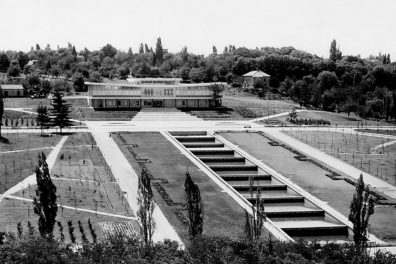
The Origins: The Background for Understanding the Museum of Yugoslavia
Creation of a European type of museum was affected by a number of practices and concepts of collecting, storing and usage of items.
New Mappings of Europe
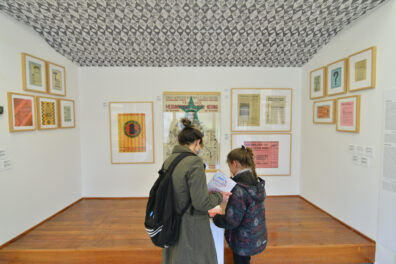
Museum Laboratory
Starting from the Museum collection as the main source for researching social phenomena and historical moments important for understanding the experience of life in Yugoslavia, the exhibition examines the Yugoslav heritage and the institution of the Museum