The Porcelain Gleam of Socialism
24.04-23.06.2013
The exhibition Porcelain gleam of socialism presents superlatively designed porcelain serveware from the period between the ‘50s and the end of the‘80s. Exhibits are the products of Jugokeramika (later on Inker), the biggest factory of the ceramics industry in former Yugoslavia.
Visitors of the exhibition will have an opportunity to see the first plate that exited the chamber kiln, customers’ favorite services, multi-awarded products as well as trial series, sketches, photos and drafts. Services for hospitality industry (the service Arena and the distinguishing mug with a blue line) remained a synonym for the Yugoslav tourist industry.
Jugokeramika started working in 1953 and from its beginnings also exists the Design Department whose creative core were Jelena Antolčić, Anica Kuhta Severin, Dragica Perhač and Marta Šribar. Although Jugokeramika shared problems of the entire industry of its time – protected economy, directed production, lack of systematic design method – designers managed to reach high design quality in many products. Products of Jugokeramika won numerous awards on domestic and international competitions and were exhibited, as part of the prize-winning Yugoslav interior on the 11th Milan Triennale (1957).
Before it closed in 2009, the factory donated around 400 objects and plentiful documentation with original drawings and sketches. Completeness of the Jugokeramika archive – from drafts to product documentation – is exceptionally rare in comparison with other companies in former Yugoslavia, while its materials represent valuable contribution for filling out the puzzle of design history.
Author: Koraljka Vlajo
Visual identity: Bilić Müller Studio
Production: Museum of Arts and Crafts, Zagreb


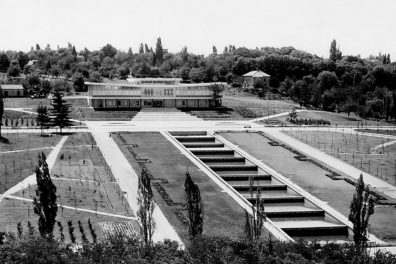
The Origins: The Background for Understanding the Museum of Yugoslavia
Creation of a European type of museum was affected by a number of practices and concepts of collecting, storing and usage of items.
New Mappings of Europe
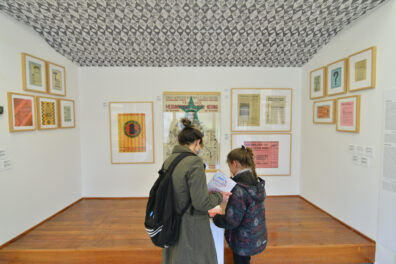
Museum Laboratory
Starting from the Museum collection as the main source for researching social phenomena and historical moments important for understanding the experience of life in Yugoslavia, the exhibition examines the Yugoslav heritage and the institution of the Museum