
Museum of Yugoslavia – Local Ceremony of the Europa Nostra Grand Prix 2025
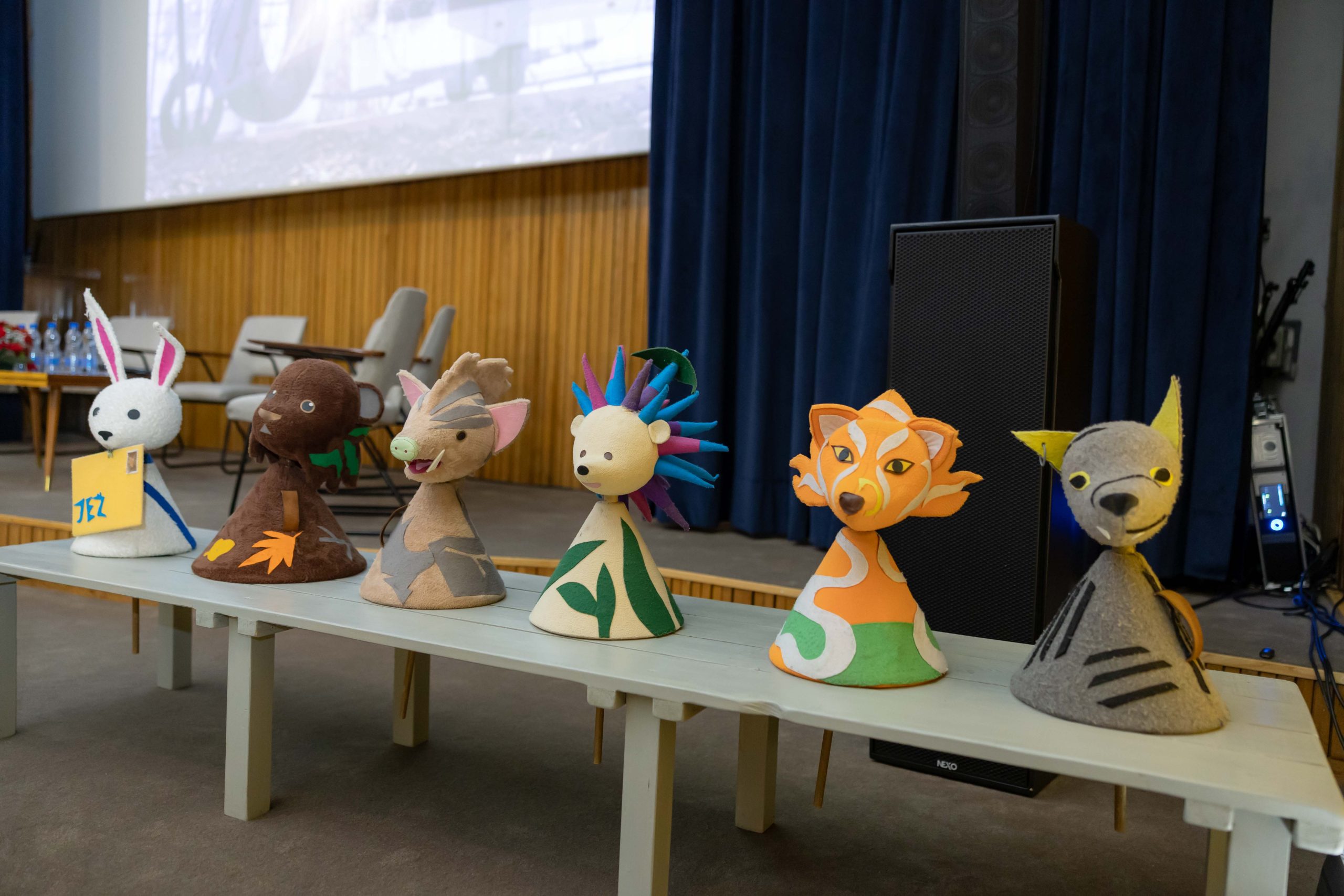
On Monday, 8 December 2025, the Museum of Yugoslavia hosted the local ceremony of the Europa Nostra Grand Prix 2025 for the project “Hedgehog’s Home – Inventing a Better World”, the highest European recognition in the field of cultural heritage, jointly awarded by the European Commission and Europa Nostra.
The ceremony was led on behalf of Museum Director Neda Knežević by Assistant Director Ljubica Malić-Nikić, who opened the event with the following words:
“Tonight we are celebrating not only the success of our museum, but also of the wider community that took part in creating this exhibition. Receiving the Europa Nostra Grand Prix confirms that European values – cooperation, diversity, inclusion and dialogue – are deeply woven into our work. The project *Hedgehog’s Home – Inventing a Better World* has shown that cultural heritage can be a powerful instrument of social change, especially when it is created in partnership with artists, the local community, young people and European Union institutions. We see this recognition as a commitment to continue building open, creative and democratic cultural spaces, in line with European standards and best practices.”
Speaking on behalf of the European Union, H.E. Plamena Halačeva, Deputy Head of the EU Delegation to the Republic of Serbia, stated:
“Just as Hedgehog Ježurka calmly and resolutely protects his home, so must we nurture and safeguard the home we share. Our common home is Europe – a home of dialogue, solidarity, cultural richness and diversity. The European Union counts on Serbia and its hardworking, talented people to help safeguard this common European home together with us.”
Sneška Quaedvlieg-Mihailović, Secretary General of Europa Nostra, added:
“In a time of insecurity, fear and uncertainty, the exhibition *Hedgehog’s Home – Inventing a Better World* placed the poetry of Branko Ćopić at the heart of our reflection on what home is and which values we share. With modest resources but great soul, imagination and creativity, its team succeeded in moving different generations and reminding us that this is, in fact, a subversive project of hope – for this region, and for Europe as a whole.”
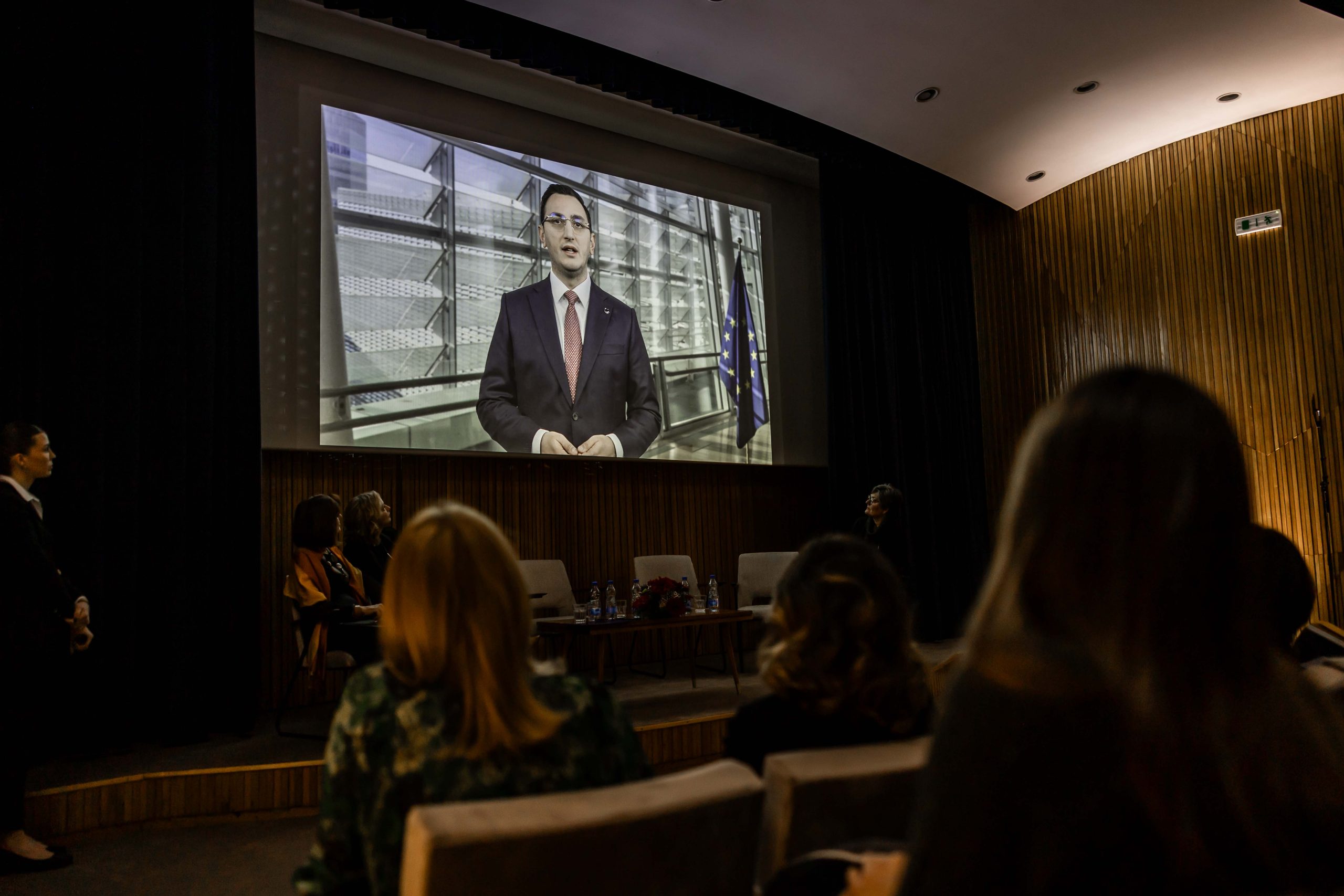
A video message by EU official Glenn Micallef was screened during the ceremony, stressing that projects like “Hedgehog’s Home” demonstrate why cultural heritage is vital for a sense of belonging and togetherness, giving young people the means to imagine a future grounded in respect, empathy and curiosity.
Writer and project collaborator Jasenka Petrović reflected on the process and the audience’s response:
“My role in this project seemed small, but day by day it grew into a profound joy. I was especially moved when I heard that children imagined a zipline in the exhibition – a moment of imagination that showed how deeply the story carried them. When I entered the space and saw the audience’s reactions, I understood that *Hedgehog’s Home* had succeeded in bringing together play, wisdom and joy for all generations.”
The exhibition’s authors then presented their working process, methodology and key conceptual elements, including collaboration with artists, educators, psychologists and various communities that contributed to the creation of the exhibition.
Members of the Museum of Yugoslavia’s Student Club shared their experience of working with visitors throughout the duration of the exhibition, highlighting how important their participation in the project was for their professional development and personal understanding of cultural heritage.
The Deaf community, a longstanding partner of the Museum, also played a special role in the exhibition. Through adapting the content into Serbian Sign Language and working together on the accessibility of the programme, “Hedgehog’s Home” became an example of inclusive museum practice in which diversity is understood as a value rather than a limitation.
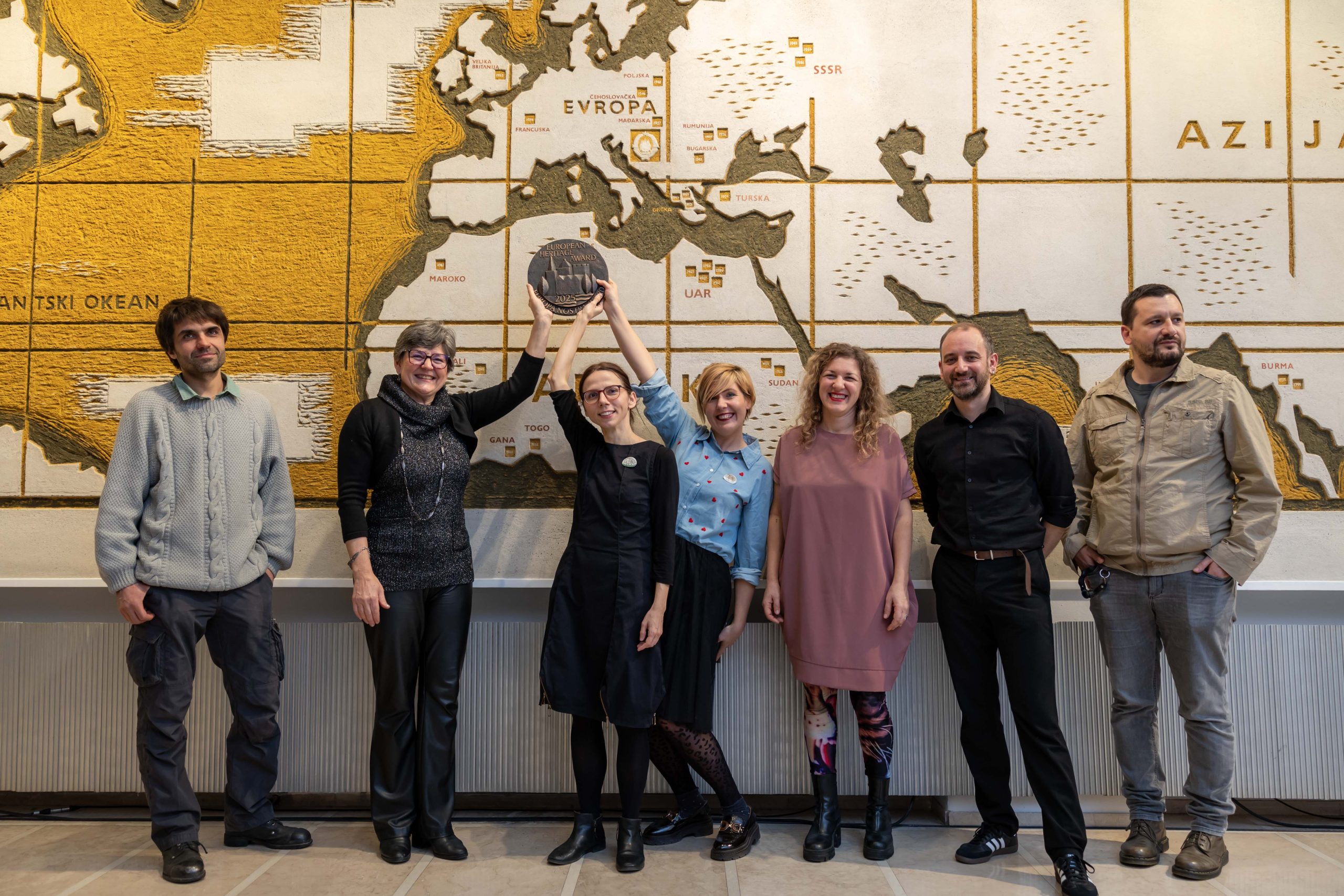
About the Europa Nostra Award:
The Europa Nostra Award is the highest European recognition in the field of cultural heritage. Since 2002, it has recognised initiatives that demonstrate excellence, innovation, sustainability and a strong social impact across the European cultural space.
The Origins: The Background for Understanding the Museum of Yugoslavia
Creation of a European type of museum was affected by a number of practices and concepts of collecting, storing and usage of items.
New Mappings of Europe
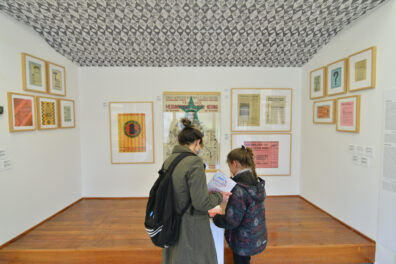
Museum Laboratory
Starting from the Museum collection as the main source for researching social phenomena and historical moments important for understanding the experience of life in Yugoslavia, the exhibition examines the Yugoslav heritage and the institution of the Museum